
What to Do Immediately After a Car Accident: Checklist
A clear what to do immediately after a car accident checklist helps protect your health and claim. Call (833)-248-4565 for a free confidential review.

Your hands are shaking, your heart is pounding, and the world just stopped for a second. In the chaotic moments after a car accident, even the most level-headed driver can freeze. But what you do in the first ten minutes can shape your health, your insurance claim, and your legal rights for months or even years to come. This is not about assigning blame or panicking; it is about moving through a clear, calm sequence of steps that protect you and your passengers. Below is a practical, plain-language checklist for what to do immediately after a car accident, along with the reasoning behind each step so you can act with confidence instead of confusion.
1. Secure the Scene and Check for Injuries
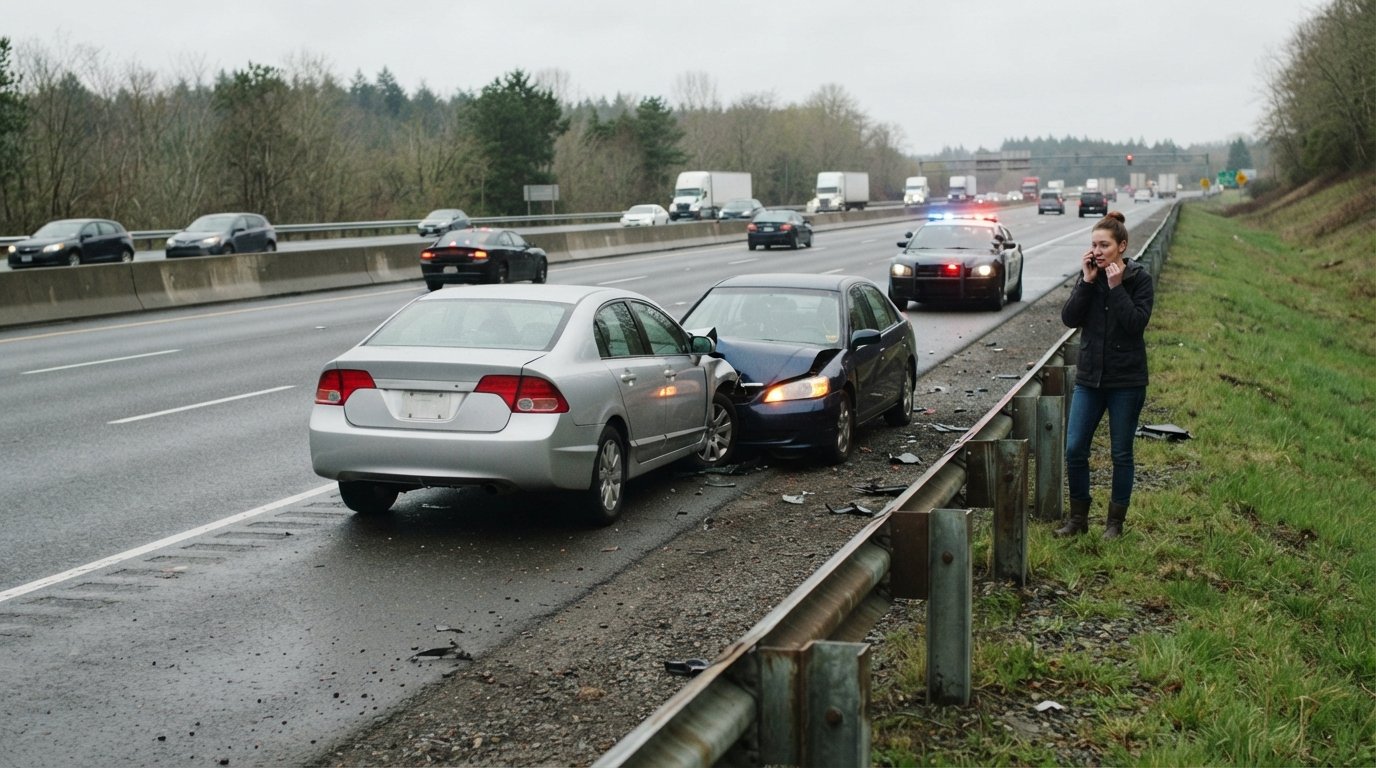
The very first priority is safety. If the vehicles are drivable and no one is seriously hurt, move them to the shoulder or a nearby parking lot to avoid blocking traffic and creating a secondary crash. Turn on your hazard lights immediately. If the cars cannot be moved, leave them where they are and get yourself and your passengers to a safe location off the roadway, such as behind a guardrail or on the sidewalk. Do not stand between the vehicles or in the travel lane.
Once you are out of immediate danger, check yourself and everyone else for injuries. Adrenaline can mask pain, so do not assume you are fine just because you can walk. Look for bleeding, dizziness, numbness, or confusion. If anyone is unconscious, complaining of neck or back pain, or has difficulty breathing, call 911 right away and do not move them unless there is an immediate fire risk. When in doubt, treat every crash as a medical emergency until a professional says otherwise.
2. Call the Police and Get a Report
Even in a minor fender-bender, calling the police is a smart move. In many states, officers are required to file a crash report when there is injury, significant property damage, or a hit-and-run. That report becomes a neutral, official record that insurers and attorneys rely on. When the officer arrives, provide facts calmly and avoid guessing about fault or apologizing. Stick to what you saw, heard, and felt.
Ask the officer for the crash report number and the department name. You will need this number when you file an insurance claim. If law enforcement does not respond to the scene because the crash is minor, you can usually file a self-report at a local police station or through your state's motor vehicle department within a few days. Do not skip this step: a police report often carries more weight with adjusters than a heated exchange at the roadside.
3. Exchange Information and Document Everything
While you wait for the police, collect the other driver's name, phone number, insurance company, policy number, license plate, and driver's license number. Also note the make, model, and color of the other vehicle. If there are passengers, get their names as well. Do not discuss who was at fault, and do not accept or offer cash for repairs on the spot. That handshake deal can come back to haunt you when hidden damage appears later.
Your phone is your best documentation tool. Take photos of all vehicles from multiple angles, including close-ups of damage, license plates, and the overall scene. Capture skid marks, traffic signals, road signs, and weather conditions. If there are witnesses, ask for their names and phone numbers, and note where they were standing. Witnesses can disappear quickly, and their recollection may be the only independent account of what happened. A simple checklist for what to do immediately after a car accident should always include this documentation step because evidence fades fast.
- Photos of every vehicle and the surrounding scene
- Names and contact details for all drivers, passengers, and witnesses
- Insurance cards and driver's license information
- Police report number and officer name
- Notes on time, location, and weather
Keep these records in one folder, either digital or physical, so you can hand them to your insurer or attorney without scrambling. If you are unsure whether you have missed a critical piece of evidence, a free legal help service can connect you with a professional who reviews your situation at no cost.
4. Seek Medical Attention Quickly, Even Without Obvious Pain
Many serious injuries, including whiplash, concussions, and internal bleeding, do not show symptoms until hours or days after the crash. That is why seeing a doctor within 24 to 72 hours is one of the most important items on any what to do immediately after a car accident checklist. Tell the doctor exactly what happened, including the direction of impact and any pain you feel, even if it seems minor. Your medical records become key evidence if you later need to claim compensation for pain, suffering, or lost wages.
Insurance adjusters often argue that a delay in treatment suggests you were not really hurt. By seeing a doctor promptly, you close that loophole and create a clear timeline linking your injuries to the crash. If you cannot afford care, ask about sliding-scale clinics or inquire whether your auto insurance includes medical payments coverage (MedPay) or personal injury protection (PIP). Do not let cost anxiety keep you from getting checked out.
5. Notify Your Insurer and Handle Adjuster Calls Carefully
Call your own insurance company as soon as practical to report the accident. Provide the facts, the police report number, and the other driver's information. If you have collision coverage, your insurer may handle repairs regardless of fault, then seek reimbursement from the other side. Ask whether your policy includes rental reimbursement and towing coverage. Keep a record of every call, including the date, time, and the name of the representative you spoke with.
Expect a call from the other driver's insurance adjuster, often within days. These conversations are not friendly chats; they are recorded statements used to build a case against you. You are not required to give a recorded statement to the other party's insurer, and you should politely decline until you have spoken with an attorney. Adjusters may pressure you to accept a quick settlement, but that first offer rarely accounts for future medical needs or lost earning capacity. If you are unsure how to handle a pushy adjuster, a legal professional can step in and communicate on your behalf.
6. Know When to Bring in Legal Help
Not every crash requires an attorney, but certain red flags make legal guidance essential. If you suffered a serious injury, the other driver was uninsured or fled the scene, the insurance company denies fault, or the settlement offer seems far too low, it is time to get a professional review. A consumer matching site like AutoInjuryAccident.com is not a law firm, but it helps injured people request a free, confidential case review from participating attorneys who advertise on the site. That kind of no-cost, no-obligation review can clarify your options before you sign anything.
Remember that fault rules, insurance requirements, and filing deadlines vary by state. A statute of limitations can bar your claim if you wait too long, sometimes as little as one or two years from the date of the crash. An attorney licensed in your state can tell you exactly how much time you have. Do not rely on internet forums or a friend's cousin who handled a similar case in another state.
7. Keep a Detailed Record and Follow Through
After the dust settles, the paperwork begins. Keep every receipt for medical visits, prescriptions, towing, rental cars, and lost wages. Start a simple journal describing your pain levels, doctor visits, and how the injuries affect your daily life. This contemporaneous record is powerful evidence because it was written close to the events, not reconstructed months later.
Follow your doctor's treatment plan. Gaps in treatment are a favorite target for insurance defense lawyers who argue you must not have been seriously hurt. If you miss appointments because of work or transportation, note the reason. Also, be cautious about posting on social media. Photos of you hiking or playing sports can be taken out of context and used to undermine your claim. A simple rule: if you would not want an adjuster to see it, do not post it.
Finally, stay organized. Create a folder, digital or physical, with sections for the police report, medical records, photos, correspondence with insurers, and receipts. When you speak with an attorney or adjuster, having everything in one place speeds up the process and reduces the chance of errors. If you are considering a free case review, having this file ready makes the conversation far more productive.
What Not to Do After a Crash
Just as important as the positive steps are the things you should avoid. Do not admit fault, even if you think you might have been distracted. Do not leave the scene before exchanging information, as a hit-and-run charge can carry serious criminal penalties. Do not agree to a quick settlement before you understand the full extent of your injuries. And do not sign medical liens or contracts you do not understand without asking questions.
If you are feeling overwhelmed, remember that you do not have to navigate the process alone. A free, confidential case review through a service like GoFreeLegal.com can connect you with participating attorneys who handle car accident claims. There is no obligation to hire, and the conversation can help you understand deadlines and options in plain language. The goal is to protect your health and your rights, not to rush into a decision.
The minutes and days after a car accident are stressful, but a calm, checklist-driven approach keeps you in control. Secure the scene, call for help, document everything, see a doctor, and be careful with insurance calls. Those simple steps go a long way toward protecting your recovery and your peace of mind.