
Can a DUI Traffic Stop Be Challenged in Court?
Can a DUI traffic stop be challenged in court? Yes, if reasonable suspicion or probable cause was lacking. Call (833)-248-4565 for a free review.

By Yasmin Saleh
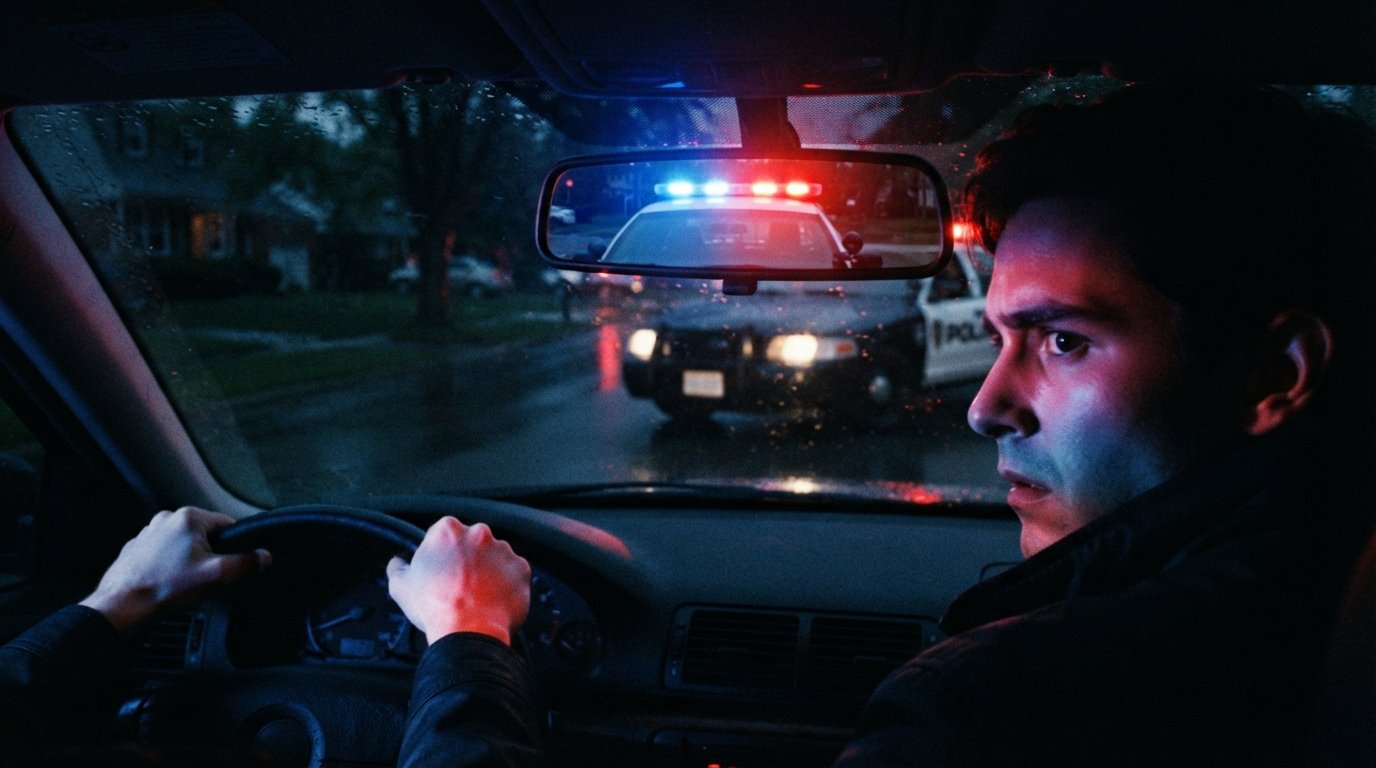
You see the flashing lights in your rearview mirror, and your heart sinks. After a DUI charge, one of the first questions people ask is simple: was the stop itself even legal? The answer matters more than most drivers realize. In many cases, a DUI traffic stop can absolutely be challenged in court, and doing so may suppress evidence, weaken the prosecution's case, or even lead to a dismissal. The stop is the foundation on which everything else is built. If that foundation is cracked, the entire case can shift in your favor. This guide explains the legal grounds for challenging a stop, the common problems that arise, and the practical steps that happen before you ever set foot in a courtroom.
The Legal Standard: Reasonable Suspicion and Probable Cause
Police cannot pull you over on a whim. Under Fourth Amendment protections against unreasonable searches and seizures, an officer needs a lawful reason to initiate a traffic stop. That reason usually takes one of two forms: reasonable suspicion or probable cause. Reasonable suspicion is a relatively low bar. It means the officer has specific, articulable facts suggesting criminal activity or a traffic violation. A broken taillight, a rolling stop, speeding, or an expired registration can all justify a stop. Probable cause, a higher standard, is required for an arrest, and it means the officer has enough evidence to reasonably believe a crime has been committed.
The distinction between these standards is critical in DUI cases. An officer might stop you for a minor traffic infraction, then observe signs of impairment such as bloodshot eyes, slurred speech, or the odor of alcohol. Those observations can build probable cause for a DUI arrest. But if the initial stop was unlawful, everything that follows can be challenged. This is why the very first question a defense attorney often asks is not what happened during the arrest, but what happened before the officer turned on the lights.
Courts evaluate stops based on the totality of the circumstances. An officer's hunch is not enough. There must be a documented, specific reason for the stop that a judge can review. If the officer's stated reason does not hold up, the stop may be deemed unlawful, and the evidence gathered during the stop can become inadmissible.
Common Grounds for Challenging a DUI Traffic Stop
There are several recurring issues that form the basis of a successful challenge to a DUI traffic stop. Understanding these can help you recognize whether your case has potential. The most common grounds include:
- Lack of reasonable suspicion: The officer had no valid legal basis to pull you over in the first place. Perhaps the alleged traffic violation never happened, or the officer's description of the violation does not match the evidence.
- Unlawful detention: Even if the initial stop was lawful, the officer may have extended it longer than necessary without reasonable suspicion of a crime. Prolonged detention can violate your rights.
- Missing probable cause for arrest: The officer may have lacked sufficient evidence to arrest you for DUI, even if the stop was valid. This can undermine the entire case.
- Pretextual stops: An officer may use a minor traffic violation as a pretext to investigate suspected drunk driving without actual evidence of impairment. While pretextual stops are often upheld if the traffic violation was real, they can sometimes be challenged if the stop was based on an impermissible motive.
- Errors in field sobriety testing: Improperly administered field sobriety tests or inaccurate breath testing devices can also be challenged, though this is distinct from the stop itself.
Each of these grounds requires careful analysis of the police report, dashcam footage, and any other available evidence. An experienced DUI defense attorney will scrutinize every detail to identify weaknesses in the prosecution's case.
If you are still deciding how to handle police questioning during a stop, our guide on DUI stop rights when questioned by police explains what to say and what to avoid.
Challenging Test Administration and Calibration Records
Beyond the stop itself, the reliability of chemical tests is a frequent battleground in DUI cases. Breathalyzer machines must be properly calibrated and maintained, and officers must follow strict procedures when administering tests. If the calibration records are missing, outdated, or show a history of errors, the test results may be challenged. Similarly, blood tests can be challenged if the chain of custody is broken or if the lab failed to follow proper protocols.
Test administration errors can also occur if the officer did not observe the required waiting period before administering a breath test, or if the suspect's medical conditions or diet affected the results. These technical defenses often require expert testimony, but they can be powerful when the prosecution's case hinges on test results.
The Role of Police Reports and Dashboard Video
Early evaluation of police reports and dashboard camera footage is essential. These records often reveal inconsistencies between the officer's written account and what actually happened on the scene. Dashboard video can show whether the traffic violation actually occurred, how the officer conducted the stop, and whether field sobriety tests were administered correctly. Body camera footage may also be available and can provide additional context.
Police reports are written by the officer and may contain errors, omissions, or subjective interpretations. A skilled attorney will compare the report to the video evidence and look for discrepancies that can be used to challenge the stop or the arrest. In some cases, the video may show that the officer's stated reason for the stop is not supported by what the camera recorded, which can be grounds for suppression.
If you are dealing with the aftermath of a DUI arrest and need help finding a defense attorney, consider using a free attorney-matching service like CheapInjuryLawyer to connect with legal professionals who handle DUI cases. These services can provide a confidential review of your situation at no cost and help you understand your options.
How to Build a Challenge: Steps and Considerations
If you believe your DUI traffic stop was unlawful, there are specific steps you and your attorney can take to build a challenge. The process typically involves filing a motion to suppress evidence, which asks the court to exclude evidence obtained as a result of the illegal stop. A suppression hearing is then held where the judge evaluates the lawfulness of the stop. If the motion is successful, key evidence may be thrown out, and the case may be dismissed or reduced.
Here is a general framework for challenging a DUI traffic stop:
- Obtain all evidence: Your attorney will request the police report, dashcam and body camera footage, calibration records, and any other relevant documents.
- Analyze the stop: Review the evidence to determine whether the officer had reasonable suspicion for the initial stop and probable cause for the arrest.
- File a motion to suppress: If grounds exist, your attorney will file a motion to suppress the evidence obtained during the illegal stop.
- Attend the suppression hearing: Present your arguments before a judge, often with witness testimony and video evidence.
- Negotiate or proceed to trial: Depending on the outcome, your attorney may negotiate a plea deal or take the case to trial.
It is important to act quickly. Evidence can be lost, and deadlines for filing motions are strict. Consulting with an attorney as soon as possible after an arrest is crucial to preserving your rights.
When a Challenge Leads to Dismissal or Reduced Charges
A successful challenge to a DUI traffic stop can have a significant impact on your case. If the stop is deemed unlawful and evidence is suppressed, the prosecution may have insufficient evidence to proceed, leading to a dismissal. In other cases, the challenge may result in reduced charges or a favorable plea bargain. Even if the motion to suppress is not fully successful, the process can reveal weaknesses in the prosecution's case that can be leveraged in negotiations.
However, not every stop can be successfully challenged. Courts generally give deference to officers' observations and training, and the standard for reasonable suspicion is low. An experienced attorney can evaluate the specific facts of your case and advise you on the likelihood of success.
If you are facing DUI charges and want to understand your rights, GoFreeLegal.com offers free, confidential reviews and can connect you with participating attorneys in your area. You can also reach out by phone at (833)-248-4565 for assistance.
The bottom line is that a DUI traffic stop is not automatically valid, and you have the right to challenge it in court. From questioning reasonable suspicion to scrutinizing test calibration records and video evidence, there are multiple avenues for defense. Taking prompt action and working with a knowledgeable attorney can make a meaningful difference in the outcome of your case.